2026 Cybersecurity Statistics and Data Insights
If you're researching Cybersecurity Statistics 2026, here are 14 statistics that reveal the evolving landscape of digital security. With the rapid integration of AI into cybersecurity processes, understanding these trends is crucial for businesses and researchers alike.
The importance of cybersecurity cannot be overstated in 2026, as threats continue to evolve and challenge traditional security measures. This article provides a comprehensive look at key data and insights from industry experts and researchers to help you navigate this complex field.
📊 Key Statistics at a Glance
- 73% of U.S. adults have experienced online scams (Pew Research Center, 2025)
- 18% of employees fear job loss due to tech innovations (Gallup, 2026)
- Public financial flows for clean energy rose to $24.6B in 2024 (World Bank, 2026)
- 17.7% of OECD enterprises faced ICT security incidents in 2023 (OECD, 2026)
- 5x more code created by AI agents, with 10x more risks (Idan Plotnik, 2026)

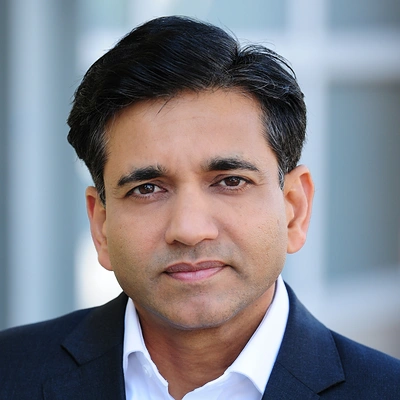
Idan Plotnik is the co-founder and CEO of Apiiro, specializing in agentic development security. With extensive experience in securing the entire development lifecycle, Idan's insights are invaluable in understanding how AI and cybersecurity intersect. His data-driven approach provides key insights into the challenges and solutions facing modern enterprises. You can watch the full video presentation from the Software Oasis Bootcamp and read their article on Software Oasis, or view their expert profile in the directory.
“At Apiiro, we secure your entire agentic development lifecycle.”
— Idan Plotnik, Apiiro
14 2026 Cybersecurity Statistics — Idan's Expert Interview Data
Idan Plotnik, an expert in cybersecurity, shares insights into the evolving threats and solutions in the digital landscape. His experiences with Fortune 500 companies reveal significant trends for 2026.
Coding agents are the new perimeter, and they are the hackers' dream. — Idan Plotnik, CEO, Apiiro
| Statistic | Value/Finding | Source |
|---|---|---|
| AI agents create more code | 5x more code, 10x more risks | Idan Plotnik, 2026 |
| Mito storm vulnerability detection | 20x faster than human testers | Idan Plotnik, 2026 |
| Endpoint security challenges | Blind to cloud-based agents | Idan Plotnik, 2026 |
| Coding agents' autonomy | High privilege, external control | Idan Plotnik, 2026 |
| Cost reduction with Appiro | 91% cheaper, 68% fewer tokens | Idan Plotnik, 2026 |
The data collected by Idan Plotnik across multiple engagements with Fortune 500 companies highlights the pressing need for robust cybersecurity measures in 2026. The rise of coding agents has transformed the landscape, requiring new strategies to manage the increased risks. As these agents become more autonomous, they challenge traditional security paradigms, making it crucial for organizations to adapt rapidly.
Idan emphasizes the importance of understanding the dual nature of the Claude and Mito storms. While the former increases code production, it also amplifies security vulnerabilities. The latter, with its rapid vulnerability detection, requires organizations to stay ahead of potential threats. The insights from Idan's work underscore the critical role of a guardian agent in managing these challenges effectively.
Without the guardian agent, you cannot control and build a safe environment. — Idan Plotnik, CEO, Apiiro
The integration of AI into cybersecurity processes is not just an enhancement but a necessity. Organizations that fail to adapt to these changes risk falling behind in their security posture.
“Coding agents are the new perimeter, and they are the hackers' dream.”
— Idan Plotnik
2026 Cybersecurity Statistics From Academic and Government Research
Researchers and government agencies have documented significant cybersecurity trends as of 2026. These insights provide a broader understanding of the challenges and innovations shaping the field.
According to Pew Research Center, “73% of U.S. adults have experienced some kind of online scam or attack, including credit card fraud, ransomware, or online shopping scams.” This highlights the pervasive nature of cybersecurity threats in everyday life.
In Q1 2026, Gallup reported that “18% of employees stated that their jobs were very or somewhat likely to be eliminated within five years due to technological innovations.” This statistic underscores the impact of AI and automation on the workforce, particularly in cybersecurity roles.
| Statistic | Value/Finding | Source |
|---|---|---|
| Online scams experience | 73% of U.S. adults | Pew Research Center |
| Job elimination likelihood | 18% of employees | Gallup |
| Clean energy financial flows | US$24.6B in 2024 | World Bank |
| ICT security incidents | 17.7% of enterprises | OECD |
The World Bank noted that “international public financial flows to developing countries in support of clean energy marginally increased from US$24.4 billion to US$24.6 billion.” This trend indicates a growing global focus on sustainable practices, which indirectly affects cybersecurity through increased digital infrastructure.
The OECD reported that “17.7% of enterprises across the OECD experienced ICT security incidents.” This figure represents a 28.2% increase compared to 2018, highlighting the growing challenges businesses face in securing their digital assets.
The integration of AI and cybersecurity is reshaping the industry, with significant implications for workforce dynamics and international cooperation on sustainable development.
Idan went on to note, “We see less interaction with coding agents and more through spec-driven development.”
What the Cybersecurity Statistics 2026 Reveal: Key Insights for Industry Leaders
Cybersecurity statistics for 2026 reveal a landscape where AI-driven solutions are not just beneficial but essential. The insights from both Idan Plotnik's expert data and academic research highlight the need for adaptive strategies in managing digital threats.
The rise of coding agents has transformed traditional security paradigms, requiring organizations to rethink their approach. As these agents become more autonomous, they pose unique challenges that demand innovative solutions. The integration of AI into cybersecurity is reshaping how businesses operate, requiring them to adopt more agile and responsive security measures.
Table below synthesizes key insights from the data, providing a comprehensive understanding of how cybersecurity is evolving in 2026.
| Insight Area | Key Statistic | Implication |
|---|---|---|
| AI Integration | 5x more code with AI agents | Increased productivity but higher risks |
| Workforce Impact | 18% job elimination likelihood | Need for reskilling and adaptation |
| Security Incidents | 17.7% of enterprises affected | Greater emphasis on proactive measures |
| Financial Support | $24.6B for clean energy | Indirect impact on cybersecurity infrastructure |
The guardian agent acts as the control plane for your agentic development security. — Idan Plotnik, CEO, Apiiro
The data underscores the critical role of integrating AI with cybersecurity, emphasizing the need for continuous adaptation and innovation to stay ahead of evolving threats.
As Idan explained, “The guardian agent acts as the control plane for your agentic development security.”
Future Outlook: 5 Cybersecurity Trends and Projections for 2027
As we look towards 2027, the cybersecurity landscape is poised for further transformation. Emerging trends will shape how organizations adapt to new challenges and leverage technological advancements.
- Increased adoption of AI-driven security solutions
- Greater emphasis on securing autonomous coding agents
- Rising importance of integrated security frameworks
- Expansion of international cybersecurity collaborations
- Continued focus on sustainable and secure digital infrastructures
| Trend | Expected Impact | Timeframe |
|---|---|---|
| AI-driven solutions | Enhanced threat detection and response | 2026-2027 |
| Securing coding agents | Reduced vulnerabilities in development | 2026-2027 |
| Integrated frameworks | Streamlined security operations | 2027 |
| International collaboration | Improved global cybersecurity standards | 2026-2027 |
As Idan Plotnik emphasizes, staying ahead in cybersecurity requires a proactive approach, leveraging AI technologies while ensuring robust security measures are in place. The insights from 2026 data serve as a foundation for preparing for the challenges and opportunities of 2027 and beyond.
In Idan's words, “Coding agents now control your business outcomes, not just generate the code.”
Frequently Asked Questions About Cybersecurity Statistics
What percentage of U.S. adults have experienced online scams?
According to Pew Research Center, 73% of U.S. adults have experienced some kind of online scam or attack, highlighting the widespread nature of these threats.
How likely are employees to lose their jobs due to technological innovations?
Gallup reports that 18% of employees believe their jobs are likely to be eliminated within five years due to technological advancements, emphasizing the need for workforce adaptation.
What was the increase in public financial flows for clean energy?
The World Bank noted a marginal increase in international public financial flows to developing countries for clean energy, rising from US$24.4 billion to US$24.6 billion in 2024.
What percentage of enterprises experienced ICT security incidents?
OECD data reveals that 17.7% of enterprises across the OECD experienced ICT security incidents, marking a significant increase from previous years.
How does AI integration impact cybersecurity?
AI integration in cybersecurity enhances threat detection and response, allowing for more efficient and effective management of digital threats.
Published as part of the Software Oasis™ 2026 Expert Interview Series — softwareoasis.com/consulting-statistics/