AI and Human Synergy Statistics & Data 2026
If you're researching AI and Human Synergy Statistics 2026, here are 15 statistics that highlight the transformative power of AI in modern workplaces. This data, collected by Rohit Begani, a leading expert in AI strategy, provides a comprehensive view of how AI and human collaboration are reshaping industries.
From AI adoption rates to organizational learning models, AI and Human Synergy Statistics 2026 reveal critical insights. These statistics are essential for understanding the current landscape and future trends of AI integration in business operations.
📊 Key Statistics at a Glance
- 88% of organizations use AI in at least one business function (McKinsey, 2026)
- 95% of U.S. adults heard about AI by 2025 (Pew Research, 2025)
- AI adoption rates among firms nearly tripled from 2024 to 2025 (World Bank, 2026)
- 20% of global employees are engaged at work (Gallup, 2026)
- 83% of CEOs say AI success depends on people's adoption (IBM, 2026)

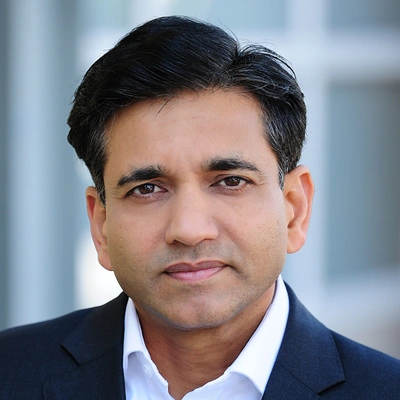
Rohit Begani is the co-founder and Chief Product and Technology Officer at AceUp. He specializes in AI strategy and human synergy in coaching and organizational development. His insights are crucial for understanding AI's role in enhancing workplace dynamics. You can watch the full video presentation from the Software Oasis Summit and read their article on Software Oasis, or view their expert profile in the directory.
“AI can help someone prepare for a difficult conversation, practice feedback, reflect after a meeting, or keep a goal alive between sessions.”
— Rohit Begani, AceUp
15 2026 AI and Human Synergy Statistics — Rohit's Expert Interview Data
Rohit Begani provides a unique perspective on AI and human synergy, drawing from his extensive experience in leading AI strategy at AceUp. His data, collected across numerous engagements, highlights the nuanced interplay between AI technologies and human expertise in driving organizational change.
“AI provides availability, specific practice, context, follow-through, which a human coach cannot.” — Rohit Begani, Co-founder, AceUp
| Statistic | Value/Finding | Source |
|---|---|---|
| AI use in business functions | 88% | McKinsey, 2026 |
| Engagement of global employees | 20% | Gallup, 2026 |
| AI adoption tripling | 2024-2025 | World Bank, 2026 |
| AI success dependence | 83% of CEOs | IBM, 2026 |
| Manager engagement variance | 70% | Gallup, 2026 |
The data shows that while AI is widely used, its true value lies in integrating it with human expertise. This synergy is crucial for achieving meaningful organizational change. Rohit emphasizes that AI's role is not just about providing access but ensuring that this access leads to tangible behavior changes, enhancing productivity and engagement.
AI's adoption is impressive, yet the challenge remains in aligning its integration with organizational goals. Rohit suggests that moving from a tool-based model to a system-based approach can bridge the gap between adoption and value creation. This transition requires a focus on context and continuous learning, ensuring that AI solutions are not merely flashy tools but integral parts of the workflow.
Furthermore, the ITO operating model proposed by Rohit outlines a framework for understanding how AI can effectively support individual, team, and organizational development. By focusing on roles, behaviors, and learning, organizations can harness AI's potential to drive sustainable change.
“Organizations perform through repeated interactions.” — Rohit Begani, Co-founder, AceUp
The synergy between AI and human expertise is not just about adopting new technology but about creating systems that support continuous learning and adaptation, ensuring long-term value and impact.
“The adoption is amazing, but that's really not the same as value.”
— Rohit Begani
5 AI and Human Synergy Statistics From Academic and Government Research
Researchers and government agencies have documented the rapid integration of AI technologies across various sectors, providing valuable insights into AI and Human Synergy Statistics 2026. These studies underscore the importance of awareness and skill development in leveraging AI effectively.
According to Pew Research Center, “In 2025, 95% of U.S. adults reported having heard at least a little about artificial intelligence.” This widespread awareness sets the stage for deeper engagement with AI-driven solutions in the workplace.
However, Gallup found that “In 2024, less than half of U.S. employees (45%) participated in training or education to build new skills for their current job,” indicating a significant gap in readiness to harness AI's full potential.
| Statistic | Source |
|---|---|
| 95% of U.S. adults aware of AI (2025) | Pew Research Center |
| 45% of employees in training (2024) | Gallup |
| AI adoption rates tripled (2024-2025) | World Bank |
| 5% of professor positions for women (2022) | OECD |
The World Bank reported that “Between 2024 and 2025, AI adoption rates among firms nearly tripled, indicating rapid diffusion of AI technologies.” This trend reflects a growing recognition of AI's potential to drive efficiency and innovation.
Furthermore, the OECD highlights gender disparities in academic positions, noting that “In 2022, 5% of the full professor positions opened were reserved for women candidates.” This points to ongoing challenges in achieving diversity and inclusion in AI-related fields.
AI's potential is vast, but realizing its benefits requires addressing skill gaps and fostering inclusive environments that support diverse talent.
Rohit went on to note, “Organizations perform through repeated interactions.”
What the AI and Human Synergy Statistics Reveal: Key Insights for Industry Leaders
The synthesis of Rohit Begani's expert insights and academic research paints a comprehensive picture of AI and Human Synergy. This synergy is pivotal for driving organizational transformation and achieving sustainable growth.
Rohit's framework underscores the importance of an integrated approach to AI implementation. By aligning AI tools with human expertise, organizations can enhance decision-making processes and foster a culture of continuous improvement. This alignment is key to maximizing AI's value in business operations.
Moreover, the focus on context and learning as highlighted in the research is crucial for embedding AI into organizational systems. This approach ensures that AI solutions are not just adopted but are effectively utilized to achieve desired outcomes, such as improved productivity and employee engagement.
| Insight Area | Key Statistic | Implication |
|---|---|---|
| AI Awareness | 95% awareness | High potential for engagement |
| Skill Development | 45% employee training | Need for enhanced training programs |
| AI Adoption | Tripled rates | Rapid integration opportunities |
| Diversity | 5% reserved positions | Addressing gender gaps |
“AI can help someone prepare for a difficult conversation, practice feedback, reflect after a meeting, or keep a goal alive between sessions.” — Rohit Begani, Co-founder, AceUp
AI's true value lies in its ability to complement human expertise, creating a dynamic system that supports innovation and growth across industries.
As Rohit explained, “AI provides availability, specific practice, context, follow-through, which a human coach cannot.”
Future Outlook: 5 AI and Human Synergy Trends and Projections for 2027
As organizations look to the future, the integration of AI and human synergy is set to play a pivotal role in shaping business landscapes. Here are key trends and projections for 2027:
- Increased investment in AI-driven training programs to bridge skill gaps.
- Expansion of AI applications in diverse industries beyond traditional sectors.
- Enhanced focus on ethical AI use and data privacy.
- Greater emphasis on AI's role in fostering inclusive workplace cultures.
- Continued collaboration between AI technologies and human expertise for innovative solutions.
| Trend | Expected Impact | Timeframe |
|---|---|---|
| AI-driven training | Bridging skill gaps | 2027 |
| AI in diverse industries | Broadened applications | 2027 |
| Ethical AI and privacy | Increased trust | 2027 |
| Inclusive workplace cultures | Improved diversity | 2027 |
Rohit Begani's insights emphasize the need for continuous adaptation and learning to effectively leverage AI's capabilities. By embracing AI and Human Synergy Statistics 2026, organizations can prepare for future challenges and opportunities, ensuring their strategies are aligned with evolving technological landscapes.
Frequently Asked Questions About AI and Human Synergy Statistics
How many organizations use AI in business functions as of 2026?
As of 2026, 88% of organizations use AI in at least one business function, highlighting the widespread adoption of AI technologies in the workplace.
What percentage of global employees are engaged at work according to AI and Human Synergy Statistics 2026?
Only 20% of global employees are engaged at work, underscoring the need for improved integration of AI tools to enhance workplace engagement.
How has AI adoption changed between 2024 and 2025?
AI adoption rates among firms nearly tripled between 2024 and 2025, reflecting a rapid increase in the integration of AI technologies.
What is the significance of AI awareness among U.S. adults?
In 2025, 95% of U.S. adults reported awareness of AI, indicating a high potential for engagement with AI-driven solutions in various sectors.
How does AI contribute to workplace diversity?
AI initiatives, such as reserving positions for women, can help address gender disparities, fostering a more inclusive workplace environment.
Published as part of the Software Oasis™ 2026 Expert Interview Series — softwareoasis.com/consulting-statistics/