AI Security Statistics 2026: Key Data Insights
If you're researching AI Security Statistics 2026, here are 19 statistics that provide a comprehensive look into this crucial field. With AI adoption increasing, understanding the security implications has never been more critical.
In 2026, AI security remains a top priority for enterprises. The focusKeyword, AI Security Statistics 2026, highlights the need for robust security measures as AI continues to integrate into core business processes. This article offers valuable data for journalists and B2B leaders.
📊 Key Statistics at a Glance
- 96% of cybersecurity breaches in 2025 were due to human error (Yagub Rahimov, 2026)
- 24% of data breaches occur due to employee negligence (Yagub Rahimov, 2026)
- 18% of U.S. firms adopted AI by end 2025 (Federal Reserve, 2026)
- Nearly 8 in 10 firms embed AI into workflows (Harvard Business Impact, 2025)
- Three-quarters of organizations globally use AI (Stanford GSB, 2026)
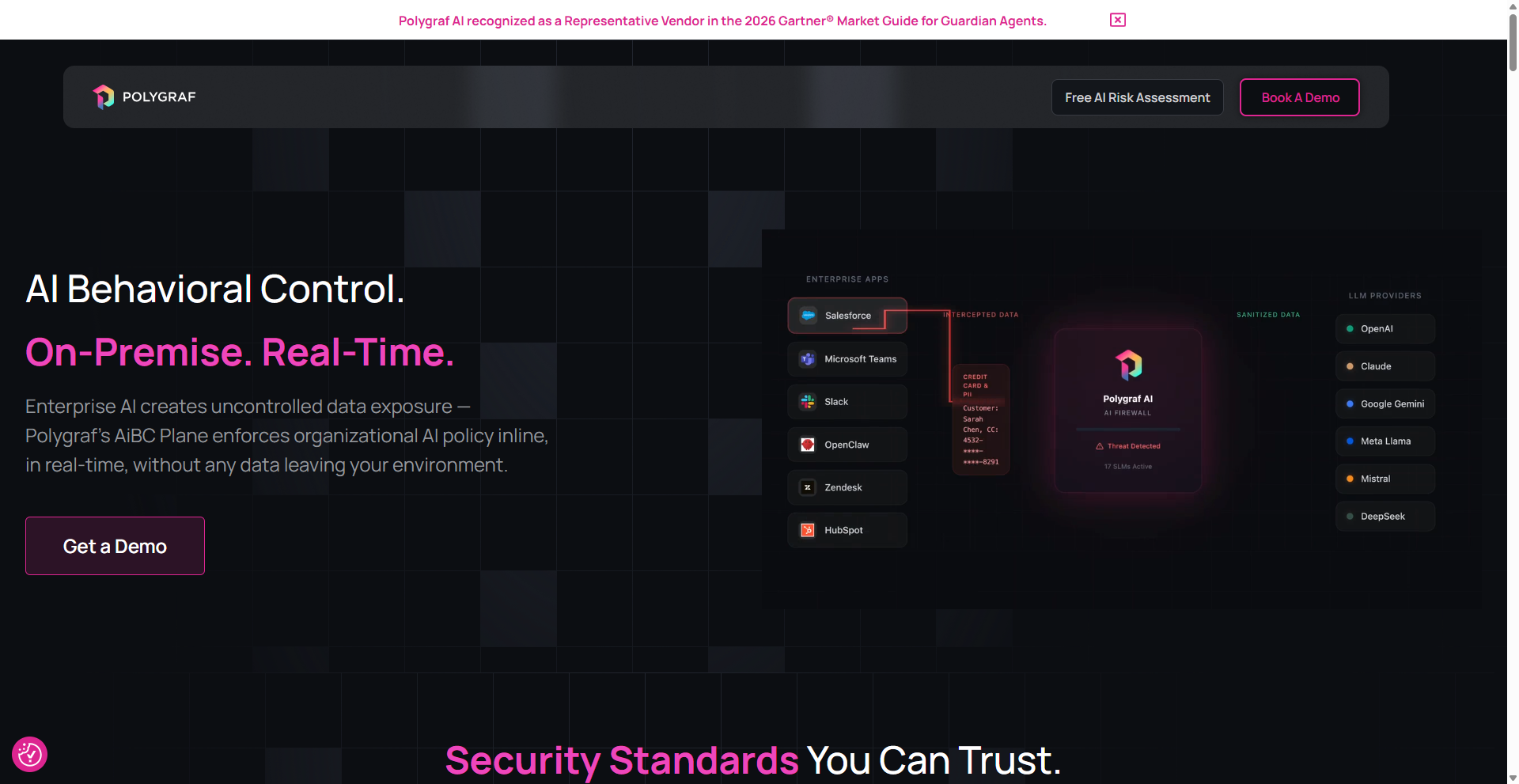
Yagub Rahimov is the CEO and founder of Polygraf AI, specializing in AI security and behavior control. With a career spanning from 2008, he is renowned for his insights into AI risks and has earned accolades like TechCrunch's Battlefield 100. You can watch the full video presentation from the Software Oasis Summit and read their article on Software Oasis, or view their expert profile in the directory.
“Today I wanna talk with you about a single word called trust.”
— Yagub Rahimov, Polygraf AI
19 2026 AI Security Statistics — Yagub's Expert Interview Data
When exploring AI Security Statistics 2026, Yagub Rahimov's data offers a deep dive into the intricate world of AI and its associated risks. His insights, drawn from years of experience and numerous engagements, shed light on the challenges and opportunities in AI security.
“The invisible risk of AI is actually the people.” — Yagub Rahimov
| Statistic |
|---|
| 96% of cybersecurity breaches due to human error |
| 24% of data breaches occur due to employee negligence |
| AI Behavioral Control Plane focuses on user behavior security |
| Invisible risks include shadow AI tools and hallucinations |
| Emojis used as attack vectors in AI operations |
The data collected by Yagub Rahimov highlights the human factor as a significant vulnerability in AI security. With 96% of breaches attributed to human error, organizations must focus on user education and behavior awareness. This insight underscores the importance of integrating security into every aspect of AI deployment.
As AI continues to evolve, the focus on security needs to adapt to address emerging threats. Yagub's emphasis on the AI Behavioral Control Plane suggests a proactive approach to managing AI-related risks. By focusing on user behavior, organizations can mitigate potential vulnerabilities.
Furthermore, the rise of shadow AI tools and the potential for hallucinations highlight the need for continuous vigilance. Enterprises must ensure that their AI systems are not only secure but also reliable and trustworthy. This involves regular assessments and updates to security protocols.
“We cannot blame everything on the employee.” — Yagub Rahimov
Key Insight: Proactive AI security measures focusing on user behavior can significantly reduce human-related vulnerabilities.
“The invisible risk of AI is actually the people.”
— Yagub Rahimov
2026 AI Security Statistics From Academic and Government Research
Researchers and government agencies have documented extensive data on AI security, providing valuable insights into current adoption and implementation trends. According to Federal Reserve, “As of year-end 2025, approximately 18 percent of firms in the U.S. economy had adopted artificial intelligence.” This statistic highlights the growing penetration of AI technologies across various industries.
In addition, Harvard Business Impact reports that “In 2025, nearly 8 in 10 respondents reported progress in embedding AI into workflows, with nearly a third saying it is already extensively integrated into core processes.” This indicates a strong commitment to leveraging AI for operational efficiency.
| Source | Stat |
|---|---|
| Federal Reserve | 18% of firms adopted AI by end 2025 |
| Harvard Business Impact | 8 in 10 embed AI into workflows |
| SBA Office of Advocacy | Small businesses employ 61.7 million Americans |
| Stanford GSB | Three-quarters of organizations use AI |
These findings emphasize the widespread adoption of AI, even among small businesses. The SBA Office of Advocacy notes that “In 2022, small businesses employed 61.7 million Americans, accounting for 46.4% of private sector employees.” This data underscores the potential impact of AI on the workforce and the necessity for robust security measures.
Moreover, Stanford GSB reveals that “In a survey of 6,000 executives around the world, about three-quarters of organizations use AI.” This statistic illustrates the global embrace of AI technologies and the imperative for organizations to prioritize AI security.
Insight: As AI adoption grows, so does the importance of comprehensive security strategies to safeguard data and operations.
Yagub went on to note, “96% of the cybersecurity breaches took place because of a human error.”
What the AI Security Statistics 2026 Reveal: Key Insights for Industry Leaders
The synthesis of data from Yagub Rahimov and academic research paints a comprehensive picture of the current AI security landscape. AI Security Statistics 2026 highlight the critical need for robust security frameworks as AI becomes increasingly prevalent in business operations.
Insight Area | Key Statistic | Implication
| Insight Area | Key Statistic | Implication |
|---|---|---|
| Human Error | 96% of breaches | Focus on user education |
| AI Adoption | 18% of firms | Increase security measures |
| Workflow Integration | 8 in 10 firms | Monitor AI systems |
The emphasis on human error in AI security breaches indicates a pressing need for comprehensive training programs. By equipping employees with the knowledge to safely interact with AI systems, organizations can minimize risks and enhance overall security.
AI adoption continues to rise, with firms increasingly integrating AI into their workflows. This trend necessitates a proactive approach to security, ensuring that AI systems are protected against potential threats and vulnerabilities.
“The approach should involve making the user be aware or beware of the failures.” — Yagub Rahimov
Insight: A multifaceted security strategy that includes user training, robust policies, and advanced monitoring is essential in 2026.
As Yagub explained, “We cannot enforce another LLM over one LLM saying that yours is better than mine.”
Future Outlook: 2026 AI Security Trends and Projections for 2027
As we look towards 2027, the AI security landscape is poised for significant developments. The following trends will shape the future of AI security:
- Increased focus on AI behavioral control
- Expansion of AI adoption in regulated industries
- Refinement of user training programs
- Integration of advanced monitoring technologies
- Growth of AI security solutions market
| Trend | Expected Impact | Timeframe |
|---|---|---|
| Behavioral Control | Enhanced security protocols | 2026-2027 |
| AI Adoption | Broader industry integration | 2026-2027 |
The future of AI security is bright, with advancements in technology and increased awareness driving the industry forward. As organizations continue to adopt AI, the focus on security will intensify, ensuring that systems are safe and reliable. Yagub Rahimov's insights into AI security will undoubtedly play a pivotal role in shaping these developments as we move into 2027.
In Yagub's words, “Consider different approaches in your security.”
Frequently Asked Questions About AI Security Statistics
How many firms in the U.S. had adopted AI by the end of 2025?
According to the Federal Reserve, approximately 18% of firms in the U.S. economy had adopted artificial intelligence by the end of 2025.
What percentage of data breaches were due to human error in 2025?
Data from Yagub Rahimov indicates that 96% of cybersecurity breaches in 2025 were due to human error, underscoring the importance of user training.
How integrated is AI in business workflows as of 2025?
Harvard Business Impact reports that nearly 8 in 10 respondents in 2025 reported progress in embedding AI into workflows, with a third stating extensive integration.
What is the role of user behavior in AI security?
Yagub Rahimov emphasizes that the invisible risk of AI lies in user behavior, highlighting the need for behavioral control and education to mitigate risks.
What are the projections for AI security trends in 2027?
Future trends include increased focus on AI behavioral control, expansion in regulated industries, and growth in the AI security solutions market.
Published as part of the Software Oasis™ 2026 Expert Interview Series — softwareoasis.com/consulting-statistics/